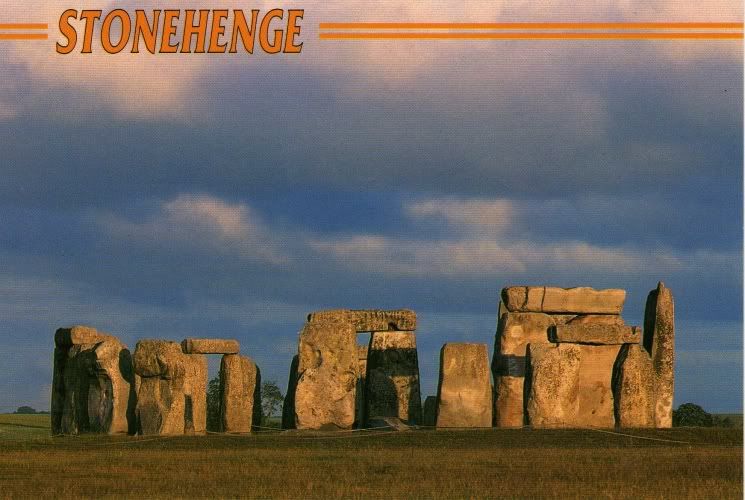
 Stonehenge, Wiltshire
Stonehenge on Salisbury Plain is the largest pre-historic monument in all of Europe. The site of Stonehenge was used about 3000 B.C. for some unknown ritual meeting but the structure was quite simple. About 2100 B.C. the structure was made more important by the introduction of the bluestones. The sarsen stones replaced the bluestones about 2000 B.C. but their positioning was somewhat different. In the middle Bronze Age, the bluestones were reintroduced and arranged to form a horseshoe and a circle of sarsens. This arrangement represented the climax of Stonehenge's glory.
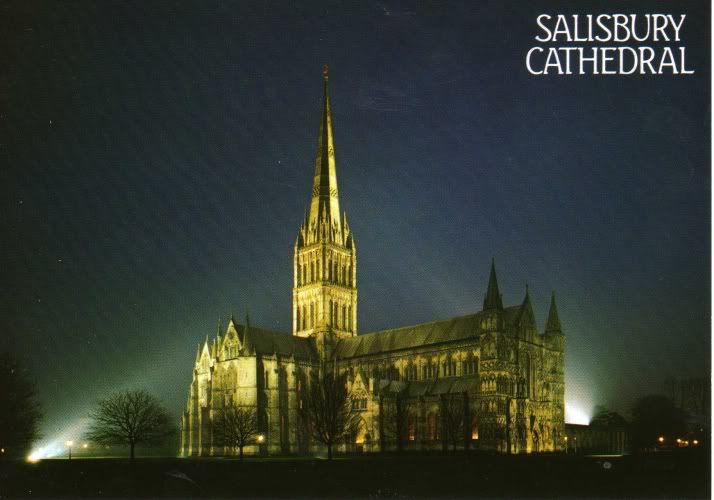 Salisbury Cathedral, Wiltshire, UK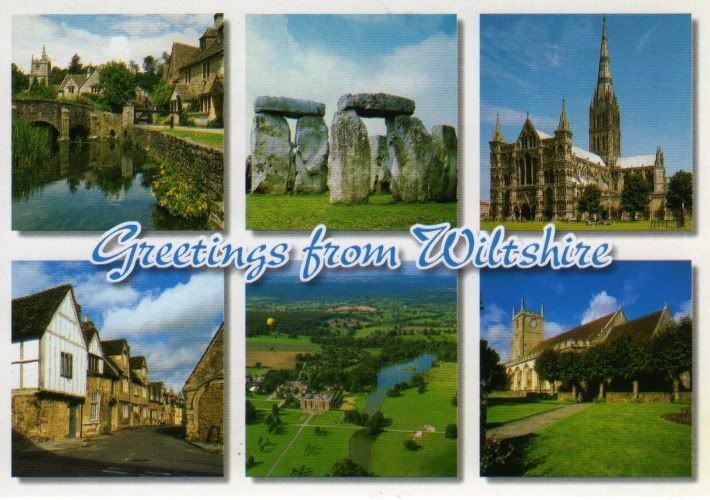
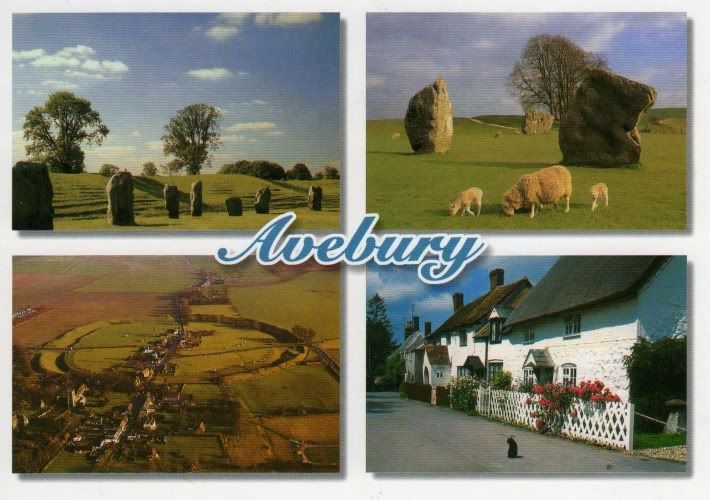

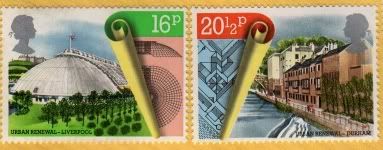 Thanks so much Andy (Duplevista) for the beautiful cards! :D


No comments:
Post a Comment